FAST (Free Ad-Supported Streaming TV) blends the linear TV experience with digital advertising, enabling wide reach and monetization without paywalls. As sports content accelerates FAST adoption, it clearly demonstrates how this model is reshaping the future of streaming.
Introduction
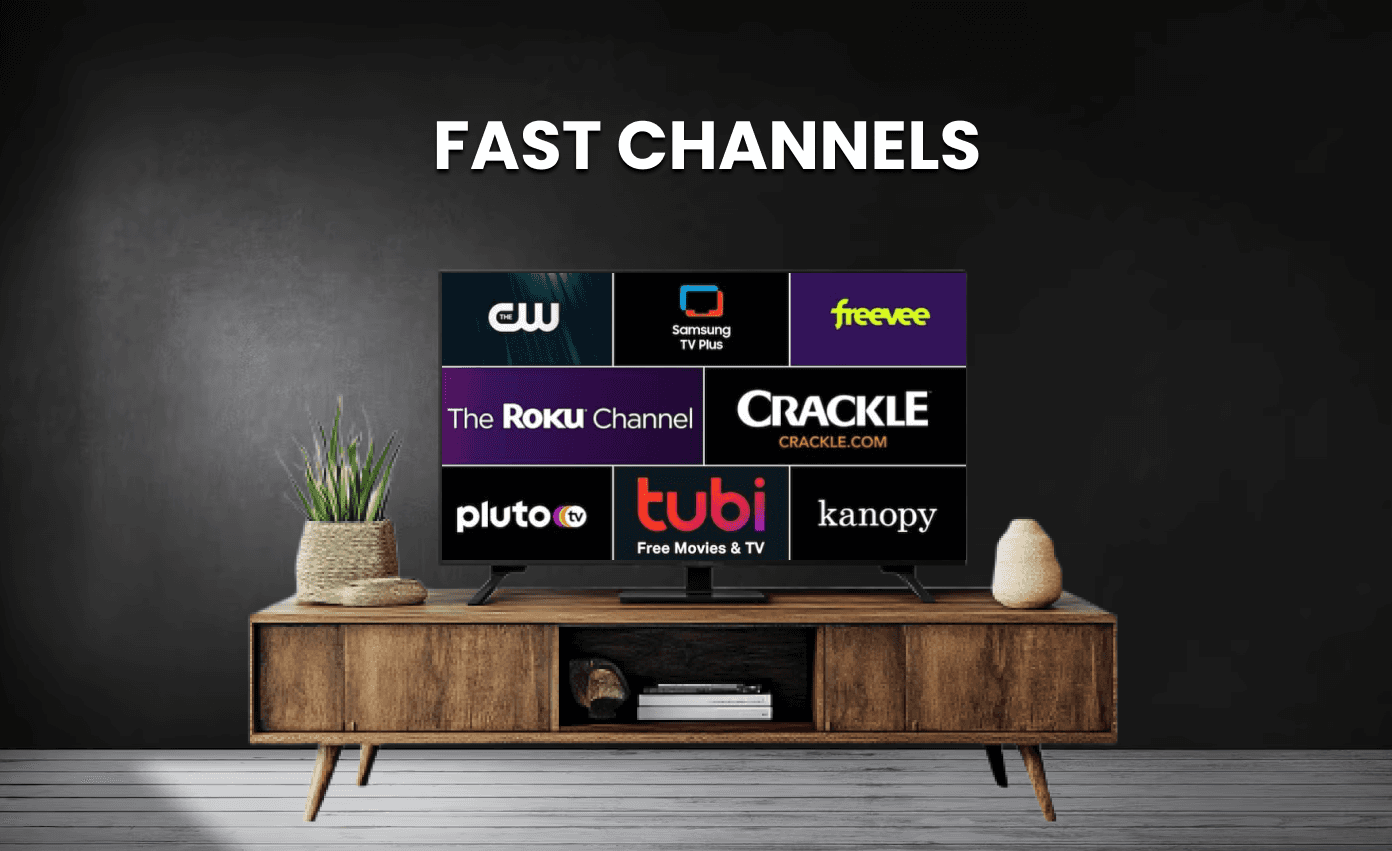
Free Ad-Supported Streaming TV (FAST) has become one of the most potent shifts in the video ecosystem over the last few years. FAST channels combine the linear, TV-like experience with the economics of digital advertising , unlocking a hybrid distribution model that delivers high reach, high engagement, and monetization without paywalls.
In parallel, sports content , once the bastion of expensive broadcast rights and paywalls , is now accelerating FAST adoption, offering some of the strongest evidence of how and why FAST is reshaping modern streaming.
This article explains:
What FAST channels actually are
How they work
Why they’re exploding in 2026
How sports streaming is innovating within FAST
What platforms and publishers need to succeed
How Revidd is architected for the FAST era
1. What Is a FAST Channel?
FAST (Free Ad-Supported Streaming TV) refers to linear-like streaming channels that are:
Free for viewers
Monetized through advertising
Structured like traditional TV channels (programmed schedules)
Delivered over IP (internet streaming)
Unlike on-demand catalogs, FAST channels play like 24×7 linear TV , but over connected devices like CTVs, mobile apps, and web , without subscription fees. This makes them particularly appealing to viewers who prefer passive, lean-back consumption.
FAST is distinct from AVOD (ad-supported on-demand), though both monetize through ads. FAST channels replicate the scheduled channel experience rather than letting users pick specific shows whenever they want.
2. Why FAST Channels Are Growing So Fast (Momentum in 2026)
FAST is exploding because it hits multiple demand curves simultaneously:
A. Viewer Behavior Is Returning to Lean-Back Consumption
Not everyone wants to search for content. Many viewers prefer passive, channel-like experiences , especially on CTV. FAST replicates the familiar comfort of traditional TV without cable bills.
B. Ad Budgets Are Shifting to CTV
Advertisers have rapidly shifted dollars from linear TV to FAST because:
Targeted audiences
Measurable impressions
Better attribution
Unlike traditional broadcast TV, connected devices provide data-driven optimization for campaigns.
C. Content Owners Are Monetizing Long-Tail Catalogs
Instead of letting long-tail content sit dormant in VOD catalogs, publishers can program FAST channels to drive incremental views and ad impressions.
D. Lower Friction for Discovery
Many FAST channels are integrated into device home screens (smart TVs), reducing friction and increasing average watch time.
E. Sports Content Is Supercharging Growth
Live and sports-related programming performs exceptionally well on FAST because:
Sports content naturally fits a schedule format
Fans tune in live and for highlights
Advertisers pay premiums on sports impressions
Platforms and rights holders are now innovating fast to bring both live and curated sports content into the FAST ecosystem , a trend that’s rapidly reshaping what FAST means in 2026.
3. How FAST Channels Work (The Tech Behind the Experience)
FAST channels operate on a stack of fundamental technologies:
Program Scheduling
Unlike AVOD catalogs, FAST channels have a program schedule – sometimes branded like traditional TV lineups.
SSAI (Server-Side Ad Insertion)
Ads must be stitched into a linear stream consistently and without interruption. SSAI is the backbone of monetized FAST streams because:
It protects ad revenue (ad blocker resistance)
It provides seamless playback
It standardizes ad delivery across devices
Manifest Manipulation
FAST delivery often depends on manifest generation that stitches:
Scheduled content
Ad spots
Replacements for dead space
Content Delivery (HLS/DASH)
Streams are delivered via standard HTTP streaming protocols, ensuring compatibility across CTVs, mobile, and web.
The result: a continuous stream that feels like broadcast TV , but served over an OTT stack.
4. FAST Channels vs Traditional TV vs AVOD
To see why FAST channels matter, it helps to compare them to other models:
Model | Viewer Pays? | Ads? | Format | Best For |
Linear TV | Yes (cable) | Yes | Scheduled channels | Traditional broadcast |
AVOD | No | Yes | On-demand ads | Free viewing library |
FAST | No | Yes | Linear-like channels | Lean-back, scheduled streaming |
FAST is not just free TV on the internet , it’s Internet TV designed for the viewer and advertiser expectations of today.
5. Sports Streaming + FAST: Innovation and Opportunity
Sports content presents unique opportunity dynamics within FAST:
A. Live and Scheduled Formats Align Naturally
Sports content , whether live events, news, highlights, or curated shows , fits the channel format perfectly. Viewers naturally return to a schedule format for games, breaks, recaps, and related programming.
B. Higher Ad Premiums
Advertisers pay more for sports impressions due to:
Larger, engaged audiences
Higher completion rates
Brand association with live events
FAST channels unlock this without the high distribution fees traditionally associated with broadcast sports rights.
C. Personalized Sports FAST Channels
Platforms are now experimenting with:
Team-specific FAST channels
Regionally curated sports channels
Highlight reels in lean-back format
These combine the scheduling benefits of FAST with the personalization expectation of digital OTT.
D. Data-Driven Highlights and Recaps
AI and ML systems are increasingly used to:
Automatically generate highlight reels
Curate clips based on trending performance
Create dynamic rundowns for fans
This extends the shelf life of sports content and increases monetizable inventory.
6. What Publishers Should Look for in a FAST Stack
Not all FAST stacks are equal. The right platform should:
1. Support SSAI by Default
This protects ad inventory and assures revenue.
2. Enable Scalable Scheduling
The ability to program and update schedules quickly , including for live input , is essential.
3. Provide Analytics and Revenue Reporting
Publishers must see:
Watch time
CPMs
Peak viewership
Ad performance by device
4. Work Across Devices
FAST success depends on performance across:
CTV (Roku, Fire TV, SamsungTV, LG)
Mobile
Web
Set-top apps
5. Include Tools for Sports and Live Curation
The platform should support:
Live ingest
Dynamic scheduling
Clip curation
Highlights programming
This is especially critical for sports and recurring live content.
7. FAST Channels in the Streaming Ecosystem
Across 2025–26, FAST channels have transitioned from emerging trend to core distribution layer.
Major device home screens now highlight FAST channels, giving them:
Better discoverability
Higher average watch times
Broader adoption among non-subscribing viewers
Publishers are increasingly using FAST channels both to grow their brand and to monetize audiences who would otherwise never subscribe.
8. Revidd Perspective: FAST as a Core Monetization and Distribution Model
At Revidd, we view FAST channels not just as free linear streams, but as strategic revenue engines that:
Expand audience reach without subscription friction
Tap high-value advertising dollars
Leverage scheduling and curation to increase watch time
Turn long-tail libraries into monetizable real estate
Extend sports and live content into continuous inventory
This requires infrastructure-grade design , not point solutions. FAST channels demand:
SaaS-grade reliability
SSAI-native monetization
Scalable manifest orchestration
Cross-device delivery
Real-time analytics
OTT success increasingly depends on how well FAST fits into your broader monetization ecosystem , not as an add-on, but as a core channel strategy.
Final Takeaways
FAST channels are more than a trend , they represent the next chapter in streaming evolution.
They:
Combine program scheduling with streaming tech
Deliver ad revenue without subscriptions
Align with increasing connected TV usage
Scale across devices and regions
Unlock new value for sports and live content
If you’re building for 2026 and beyond, FAST channels deserve a central place in your platform strategy , supported by strong infrastructure, seamless ad monetization, and operational tools for scheduling and analytics.


